End-to-end supply chain management technology for DTC brands. From AI-powered demand forecasting and automated reorder systems to supplier portals, warehouse management, and last-mile logistics optimization — we engineer supply chains that are resilient, efficient, and profitable.
For DTC brands, inventory management is the silent destroyer of margin. Overstock ties up cash, increases storage costs, and forces promotional discounting that trains customers to wait for sales. Stockouts lose sales, damage customer relationships, and send buyers to competitors. The difference between these outcomes is supply chain intelligence.
Scale D2C builds supply chain technology solutions that give DTC brands real-time visibility across their entire inventory position — from supplier lead times and manufacturing status to warehouse stock levels and in-transit shipments. Our AI-powered demand forecasting models reduce stockouts by an average of 62% and overstock by 38%, directly improving contribution margin.
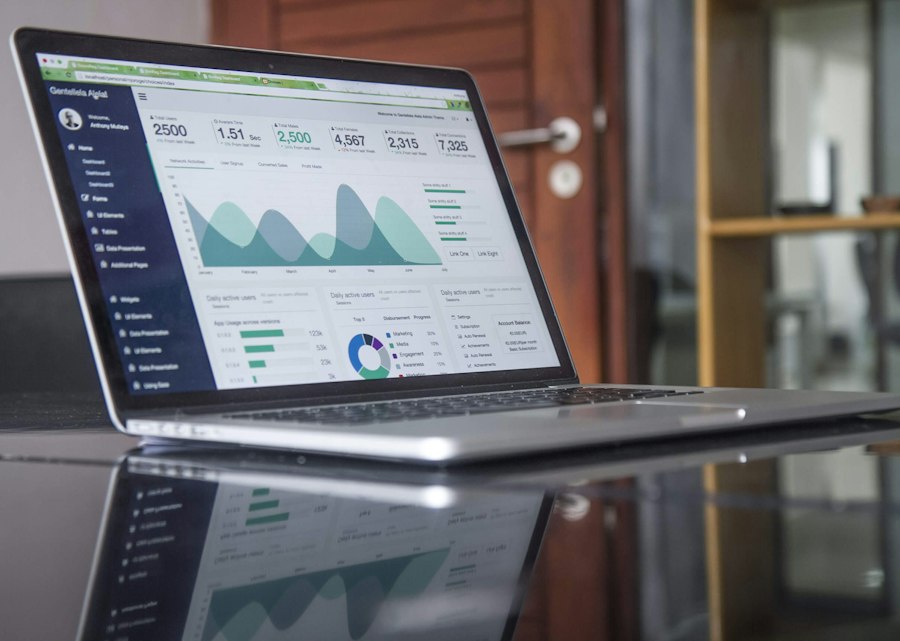
Demand forecasting predicts how much of each SKU you will sell in a future period. Traditional forecasting relies on simple historical averages. AI demand forecasting incorporates seasonality patterns, promotional uplift, price elasticity, external signals (weather, trends), and channel-specific behaviour — typically achieving 30–50% better forecast accuracy than simple methods.
Yes. ERP and ecommerce integration is central to every supply chain solution we build. We create real-time connectors between your inventory system and Shopify, Magento, Odoo, SAP, or Microsoft Dynamics — ensuring stock levels, reorder triggers, and purchase orders flow automatically between systems.
A supplier portal is a self-service web application that gives your suppliers access to purchase orders, delivery schedules, quality requirements, and performance data. It eliminates the back-and-forth emails and spreadsheets that consume procurement team time, and it creates an auditable record of every supplier interaction.
A focused demand forecasting implementation typically takes 6–10 weeks. A full supply chain platform including WMS, supplier portal, logistics integration, and analytics dashboard takes 4–7 months depending on the number of suppliers, SKUs, and warehouse locations.
From AI demand forecasting to supplier portals and warehouse management — we build supply chain technology that prevents stockouts, reduces overstock, and gives you end-to-end visibility from factory to customer.